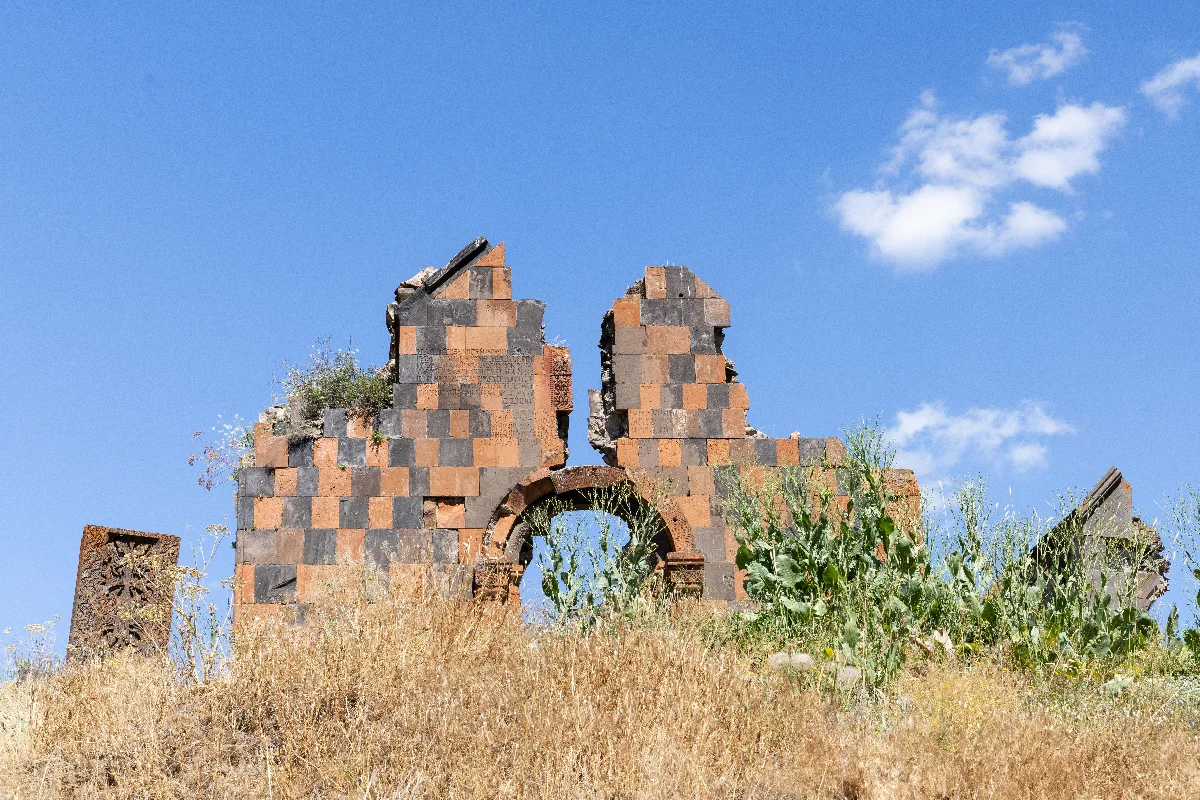
A ruin is normally measured by what it has lost. Havuts Tar can also be measured by what it hosts.
Havuts Tar: a multi-layered monastic complex in the Khosrov Forest State Reserve, the oldest protected area in Armenia.
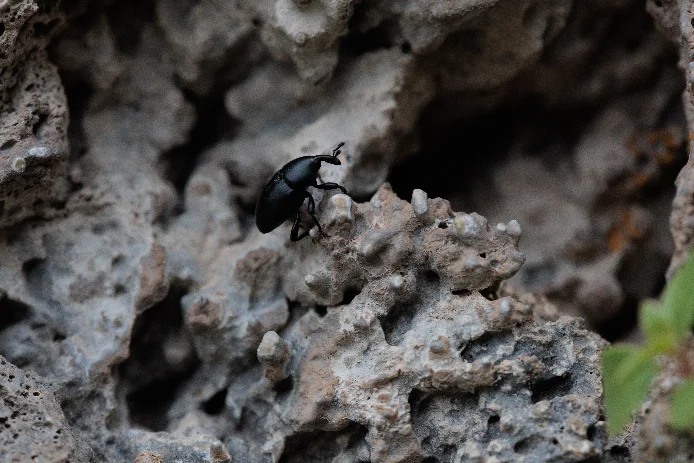
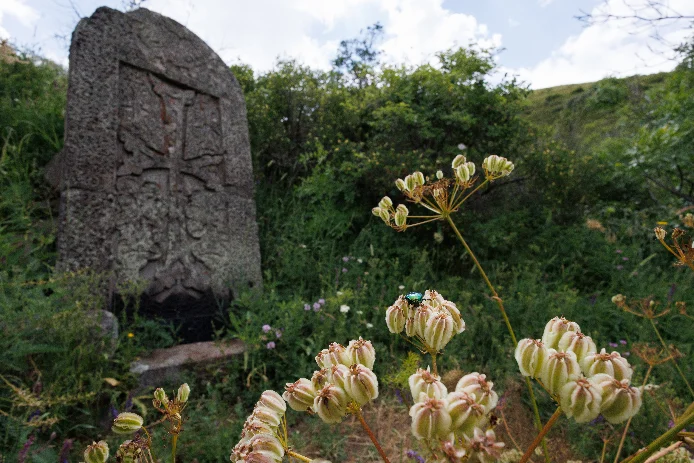
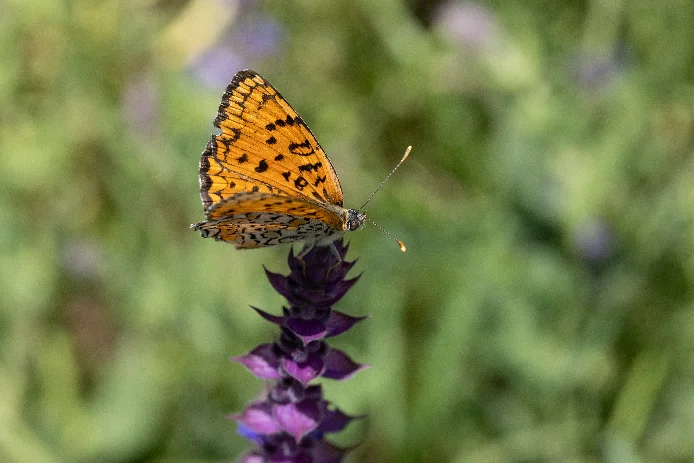
Ants, beetles, wild bees and honeybees, butterflies — the scale of the images inverts the usual view of a monument and makes visible the populations that inhabit its ruins and surroundings.
The monument is not simply an object placed within a protected area. It has become part of it.
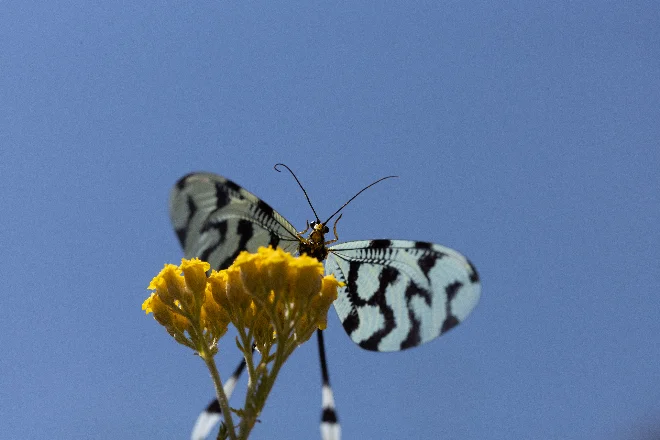
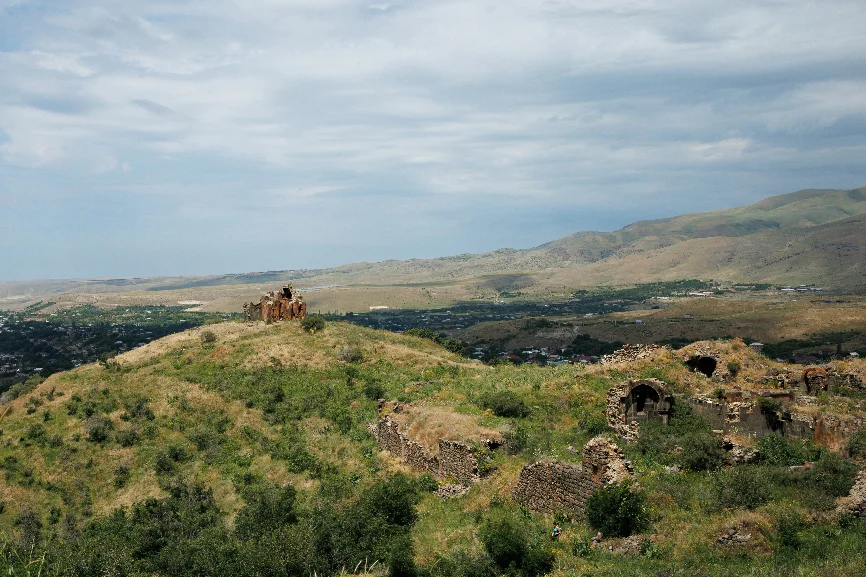
The exhibition is the visible part of a proposed survey of the plant and animal species inhabiting the complex, and of a reciprocal question: how has the presence of the monument itself shaped the biodiversity that inhabits and surrounds the site today?
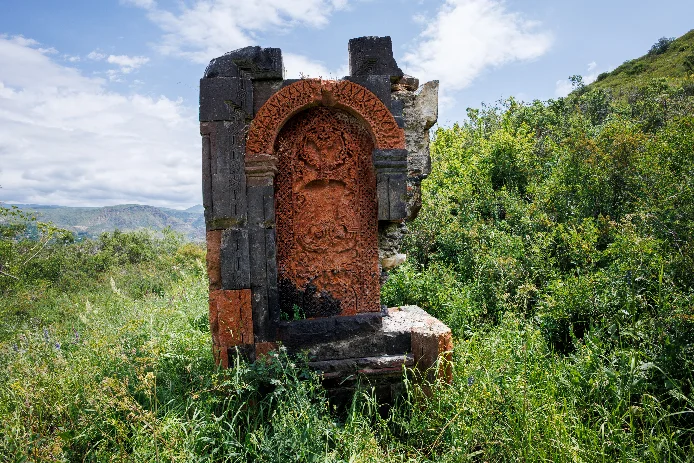
The research proposes to investigate the monastery not only as cultural heritage within a protected natural environment, but also as a physical habitat: a complex of stone surfaces, walls, cavities, joints, shaded and exposed areas, vegetation and accumulated transformations that may offer different conditions for plant and animal life.
By documenting the species found within the ruins and comparing them with those present in their immediate surroundings, the survey aims to explore whether, and in what ways, the centuries-long presence of the monument has contributed to the ecological diversity of the site.
The relationship between biological and cultural diversity is an established part of the Convention process. At COP10, Decision X/20 welcomed the Joint Programme of Work on the Links between Biological and Cultural Diversity, developed by the Secretariat of the Convention on Biological Diversity and UNESCO. At COP15, Decision 15/22, Nature and Culture, renewed the commitment to the Joint Programme and recognised its continued relevance to the Kunming-Montreal Global Biodiversity Framework.
The Programme is promoted by the CBD Secretariat, UNESCO and IUCN, with the contribution of other international organisations and partners, including ICOMOS and ICCROM. This approach is also reflected in Connecting Practice, the joint ICOMOS–IUCN initiative developed since 2013 to explore ways of recognising and managing the interconnections between natural and cultural values.
In Europe, the European Cultural Heritage Green Paper, produced by Europa Nostra in close cooperation with ICOMOS and the Climate Heritage Network, examines the real or perceived conflicts between heritage safeguarding and environmental action and calls for strategies capable of delivering benefits for both. The European Heritage Hub similarly places the green transition, alongside digital and social transformations, at the core of its work.
SANCTUARY situates Havuts Tar within this evolving framework, asking what becomes visible when a historic monument is considered not only as cultural heritage within a protected landscape, but also as part of the ecological system that has developed around and within it.